
About Us
The Child and Youth Friendly Governance Project (CYFGP) is a Geneva-based global centre of expertise specialising in putting children and young people at the heard of decision-making.
We empower institutions to embed child and youth participation across governance, policy and practice, while supporting children and young people to develop the skills and confidence to effectively influence decisions affecting their lives – now and in the future.
Our Vision
A world where children and young people have an effective voice in decisions that impact their lives, empowering them to realise their rights, develop critical life skills, and actively engage in civic participation.
Our Mission
We empower institutions to embed child and youth participation safely and meaningfully in governance, policy and practice, while supporting children and young people to develop the skills, confidence and opportunities to participate in decisions affecting their lives.
Child- and youth-friendly governance embeds the safe, inclusive and meaningful participation of children and young people in how institutions set priorities, make decisions and account for their actions.
It connects children’s and young people’s contributions to decisions through ongoing relationships, clear responsibilities and feedback on what has changed.
“History will judge us by the difference we make in the everyday lives of children.”
– Nelson Mandela
From participation to sustainable change
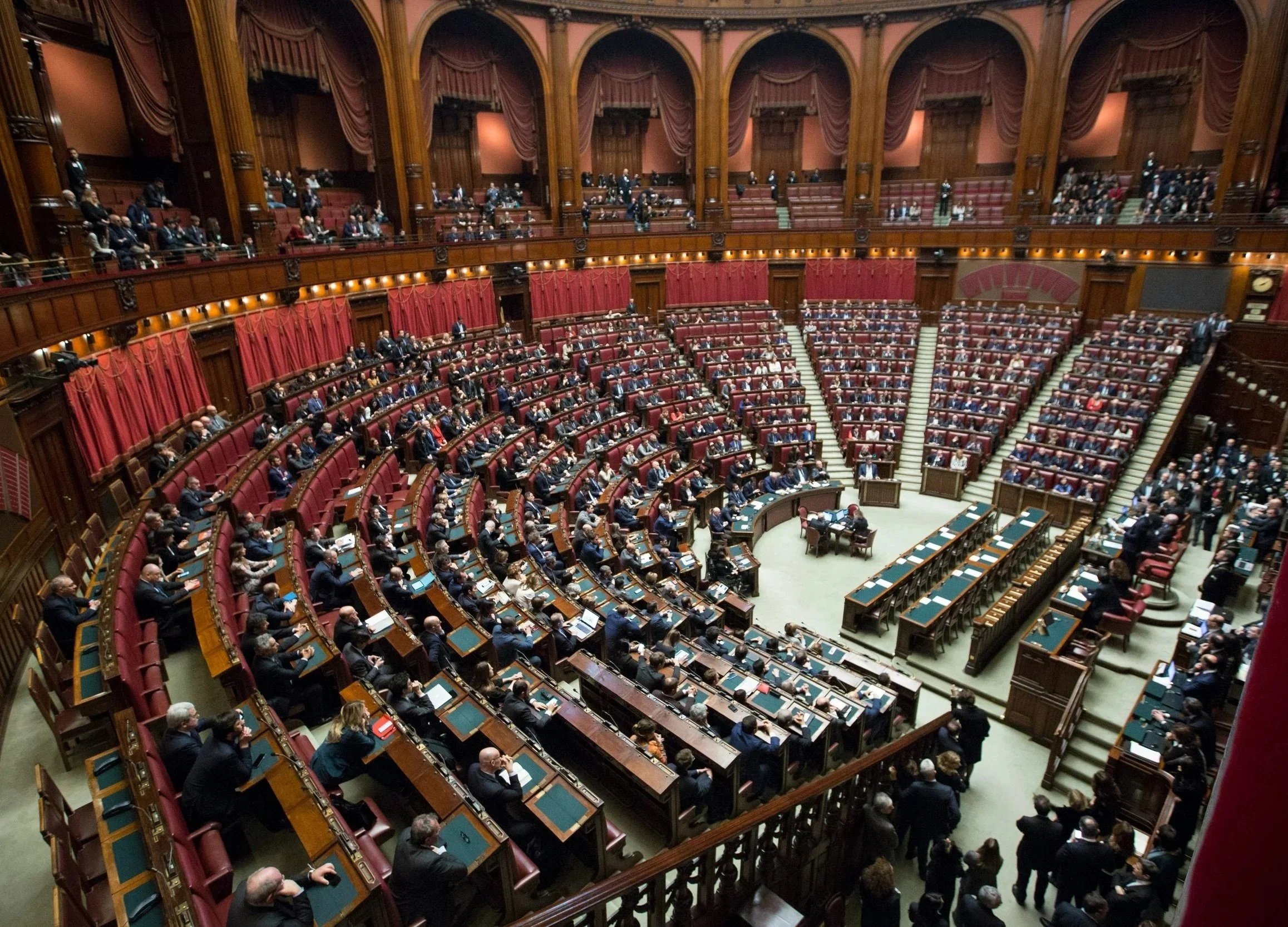
When institutions meaningfully involve children and young people in these decisions, it can lead to lasting benefits for children and young people, the institutions that work with them and wider society.
Children and young people
build confidence, life skills and agency, report better wellbeing, feel more included and can influence decisions affecting their lives in line with their evolving capacities.
Institutions
shape policies and services that better reflect their needs and lived experiences of children and yong people, while buildng institutional trust and legitimacy.

Wider society
benefits from stronger dialogue and intergenerational trust, more active civic engagement, and more inclusive and responsive public decision-making.
Our Principles
The Child and Youth Friendly Governance Project recognises children and young people as rights-holders whose perspectives must inform the decisions that affect their lives. Our principles set out the rights, standards and practical requirements that guide how we ensure participation is meaningful, safe and inclusive across all our work.
Foundations for meaningful, effective and ethical participation
The right to participate
Article 12 of the United Nations Convention on the Rights of the Child (CRC) establishes children’s right to express their views freely on all matters affecting them, and to have those views given due weight in accordance with their age and maturity.
Meaningful participation therefore goes beyond creating opportunities for expression. It requires that children’s and young people’s views are actively sought, taken seriously and able to influence decisions.
While CRC applies to children under 18, Child and Youth friendly Governance Project extends these participation principles to young people aged 18–24, recognising the importance of continued opportunities for participation and support during the transition to adulthood.
The nine requirements for meaningful, ethical and effective participation
While the CRC applies to children under 18, the Child and Youth Friendly Governance Project extends these principles to young people aged 18–24, recognising that participation and support remain essential throughout the transition to adulthood.
The UN Committee on the Rights of the Child, in its General Comment No. 12, further identifies nine basic requirements for effective and ethical participation. They guide our engagement with children and young people across our governance and operations.
-
![]()
Transparent and informative
Children and young people receive clear, age-appropriate information about why they are involved, what it involves and what they can influence.
-
![]()
Voluntary
Taking part is always a free choice. Children and young people decide whether and how to participate, and can stop at any time without consequences.
-
![]()
Respectful
Children’s and young people’s views and experiences are taken seriously, and they are recognised as experts in their own lives.
-
![]()
Relevant
Participation focuses on issues that matter to children and young people, where their input can genuinely shape decisions and outcomes.
-
![]()
Child-friendly
Methods, materials, language and settings are adapted to children’s and young people’s ages, abilities and needs.
-
![]()
Inclusive
Barriers to participation are identified and removed, with particular attention to children and young people who are often left out.
-
![]()
Supported by training
Adults have the knowledge, skills and support to facilitate participation meaningfully, ethically and safely.
-
![]()
Safe and sensitive to risk
Participation protects children’s and young people’s wellbeing, privacy and dignity, in line with our Safeguarding Policy.
-
![]()
Accountable
Children and young people are told how their views were used, what was decided and why.









Our good practices
In addition, the Child and Youth Friendly Governance Project follows these good practices:
-
Where appropriate and feasible, children and young people are involved at different stages of activities and initiatives, from identifying priorities to reviewing outcomes.
-
Children's and young people's time and contributions are valued through appropriate recognition (with consent), opportunities for learning and skills development, and, where applicable, compensation.
-
Participation-related expenses, including transport, meals, connectivity and accessibility support, are covered so that participation does not impose financial costs on children, young people or their families.
-
Children's and young people's views, stories and creative outputs are represented accurately and used only for agreed purposes, with appropriate consent and privacy protections.
-
Feedback from children and young people is used to improve the quality, accessibility and influence of participation over time.
Good governance and Zewo standards
It is our duty to be fully accountable and transparent towards the children and young people we work with, and towards our partners, donors, members and supporters. We therefore work towards complying with the Zewo standards for Swiss charitable organisations, which cover ethics and integrity, corporate governance, efficient use of funds, results, true and fair accounting, transparency, accountability, fundraising and communication.
Who we are
We are a group of driven experts with a track record of supporting child-friendly governance and child participation with a range of partners.
Board of Directors

Kasper Ottosson Kanstrup, Board Chair
Executive Director and Impact Consultant
-
Kasper Ottosson Kanstrup is Executive Director and Impact Consultant at UNLEASH GLOBAL, with a commitment to creating a better future with and for the next generation. He brings 15 years of leaderships experience in leading child-focused, international NGOs and philanthropies, including at the LEGO Foundation and SOS Children’s Villages, where he oversaw the development and implementation of programs, partnerships, and fundraising. He is passionate about child rights and committed to building strong partnerships to give children a voice in decision-making impacting their lives.

Bruce Adamson, Board Vice-Chair
Chief Executive Officer, Scottish Commission for People with Learning Disabilities
-
Bruce Adamson is a human rights lawyer and since 2017 has been Children and Young People’s Commissioner of Scotland. Working directly with children he has secured legislative change in relation to the age of criminal responsibility, the physical punishment of children, and the incorporation of the UNCRC into Scots law. He has championed the role of child human rights defenders and worked extensively on children’s participation in UN mechanisms. Mr Adamson has worked as a human rights expert in over 20 countries for the United Nations, Council of Europe, European Union, the Organisation for Security and Cooperation in Europe, and NGOs. He was a Member of the Children’s Panel for 13 years, and has been the United Nations Representative for the Global Alliance of National Human Rights Institutions, Chair of the European Network of Ombudspersons for Children, and Chair of the Scottish Child Law Centre.

Cyril Haddad, Treasurer
Deputy Head of Compliance Onboarding
-
Cyril Haddad is the Deputy Head of Compliance Onboarding at a Swiss multinational private bank and financial services company. Trained as a lawyer (international, European and compliance law), Mr Haddad has more than 15 years of experience in compliance and risk management with several large banks. Mr Haddad has a strong commitment to children’s rights and development. Alongside his role as Treasurer at the Child Friendly Governance Project, he is a Board Member of Swiss4Ukraine, an association supporting Ukrainian refugees arriving in Switzerland.

Rafsi Albar, Board Member
Executive Director, Indonesian Institute for Education Reform
-
Rafsi Albar is the Managing Director of Youth Catalyst Foundation, one of Indonesia’s preeminent not-for-profit organizations in the field of student development that has impacted hundreds of thousands across the country for nearly a decade through its three core programs: StudentsCatalyst, Internnet, and FlashCampus.
With an academic background in law and human rights, Rafsi’s professional life has been spent mostly in the public sector. As an undergraduate student, he was appointed to lead a team in redesigning one of the flagship programs of the Indonesian Ministry of Education, Culture, Research, and Technology. He then proceeded to work at an advisory firm to help realize the country’s governmental transformation ambitions.
Rafsi is currently based in Geneva to pursue his master’s degree while also helping out at the International Law Commission of the United Nations and co-leading the Indonesian Institute for Education Reform from afar.

Gerison Lansdown, Board Member
International Child Rights Expert
-
Gerison Lansdown is an internationally recognised child rights specialist and advocate, who has published and lectured widely on children’s rights. She has supported the Committee on the Rights of the Child with developing several General Comments to the Convention on the Rights of the Child and was involved in the drafting of the Convention on the Rights of Persons with Disabilities. She has supported UN agencies, international NGOs, governments, and regional institutions in developing their child rights frameworks and strategies. Ms Lansdown founded the Children’s Rights Alliance for England and functioned as its director from 1992 to 2000. She is an adjunct professor at Carleton University Canada and University College Cork, has an Honorary Doctorate from the Open University, Carleton University and the University of East London, and an Honorary Fellowship from the University of Central Lancashire. She is on the editorial advisory board of the Canadian Journal of Children’s Rights.

Sonia Livingstone, OBE, Board Member
Professor of Social Psychology, London School of Economics
-
Sonia Livingstone, OBE, is Professor in the Department of Media and Communications at the London School of Economics and Political Science. Much of Sonia’s research is concerned with children’s rights in the digital age. She currently directs the Digital Futures Commission (with the 5Rights Foundation) and the Global Kids Online project (with UNICEF). She founded the European Commission -funded EU Kids Online research network and is a #SaferInternet4EU Ambassador for the European Commission. Professor Livingstone has advised numerous governments and international organisations on children’s rights in the digital environment. Her publications include more than 20 books on the topic of child rights online, and the General Comment no. 25 on children’s rights in the digital environment.

Charlotte Bolland, Board Member
Co-founder, Solutions Research
-
Charlotte co-founded Solutions Research in 2001 (www.solutions-research.co.uk), a research consultancy which gives strategy and branding advice to both government departments and commercial companies. Charlotte was Vice President of the board of the Child Center of New York for 7 years and was involved with Pilotlight, a mentoring charity in the UK, for 4 years. Charlotte was also on the partnerships board at The Roundhouse, a UK charity which provides young people with skills in the creative arts for 4 years. Charlotte is currently Regional Vice Chair (Europe) for the UNICEF International Council and chairs the Youth Taskforce (an initiative within UNICEF's International Council which focuses on empowering youth and young people around the world). Charlotte graduated with a degree in psychology from Cardiff University. Charlotte currently lives in London with her husband Peter, 2 cats and 1 dog (and her 3 young people when they decide to come home!).

Kavita Ratna, Board Member
Former Executive Director,
The Concerned for Working Children
-
Kavita Ratna is a children's rights advocate with close to four decades of work experience ranging from grassroot interventions to global policy engagements. She is the former Executive Director of Concerned for Working Children (CWC), an organization thrice nominated for the Nobel Peace Prize (2012, 2013, 2014) for its contribution to the praxis of children's right to participation and agency. She facilitates meaningful participation of a wide range of vulnerable young people at local, national, regional, and international levels. She has worked extensively to enable children's citizenship in urban and rural settings in India. She has built capacities of civil society organisations and officials to create child and youth friendly communities in India, Nepal, Srilanka, Mongolia, Norway, England, the Bahamas, Uganda and Zambia. She has also served on several UN Expert Group Committees contributing to the UN General Comments on Children's Right to Participation; Rights of Adolescents and Rights of Children in Street Situations. Additionally, she has provided technical expertise to the Commonwealth and UNICEF ROSA on child responsive governance as well as adolescent engagement in claiming citizenship & involvement in mainstream governance.
Child and Youth Advisory Board

Aksel, Denmark

Daniel, Spain

Faisal, Afghanistan

Rebeca, Mexico

Valeska, Ecuador

Vyasaraj, India
Honorary Members

Laura Lundy, Honorary Member
Co-Director of the Centre for Children’s Rights and Professor of Children's Rights, Queen’s University, Belfast

Shriraksha, Honorary Member
Member of the Children’s Collective (Makkala Sangha), Karnataka, India
Geneva office
Secretariat

Louise Thivant
Executive Director

Nour Adda
Program Assistant

Reetta Mikkola
Participation & Program Manager
Roxane Khedoud
Program Assistant
Our experts

Zoe Speekenbrink
Expert - Child Participation & Inclusion

Katie Reid
Expert - Child Participation & Climate

Paola Bernal Fuentes
Expert - Social Policy & Protection

Karen Scott
Expert - Child Protection, Safeguarding & Participation
Claire O’Kane
Senior Participation & Safeguarding Advisor
Abi McDougal
Strategic Communications Advisor

Jens Aerts
Expert - Child-friendly Urban Planning
Our donors
The positive change we help create for children and young people would not be possible without the generous contributions of our partners and donors.
We are grateful to all those listed below, as well as the many other institutions and individuals who have supported this work.